
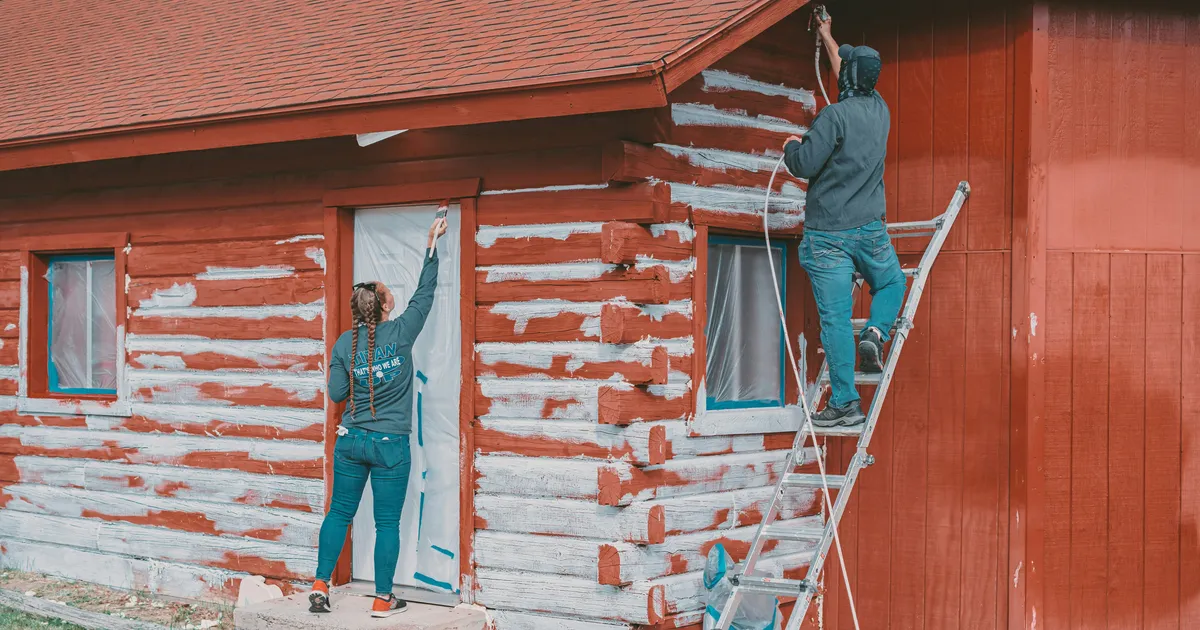
Navigating the world of home maintenance and repairs can often feel like a complex puzzle, with solutions varying significantly depending on where you live. A thorough regional home repair trends and service accessibility study reveals that what’s common or easy to find in one area might be a rarity or a premium service in another. Understanding these geographical nuances is crucial for homeowners looking to protect their investment, make informed decisions, and ensure their properties remain safe and functional. This article delves into the diverse factors shaping local repair needs and the availability of qualified professionals, offering insights that can empower you to better manage your home’s upkeep, no matter your location.
Understanding Regional Repair Needs
The specific repair needs of homes are heavily influenced by the local environment and climate. For instance, homeowners in coastal regions frequently grapple with issues like saltwater corrosion, hurricane damage, and mold growth, demanding specialized contractors skilled in moisture mitigation and resilient building materials. Conversely, those living in areas prone to extreme cold face challenges such as frozen pipes, ice damming, and the need for robust insulation and heating system maintenance. These environmental pressures dictate a unique set of common repairs, influencing the types of services most in demand and the expertise local professionals must possess.
- Boost Local SEO: Geo-Targeted Service Directory Optimization
- City Repair Service Benchmarking: Your Guide to Smart Local Choices
- How to Vet Professional Technicians: Background Checks for Credibility & Trust
- How to Boost Local Emergency Service Accessibility for Your Community
- Metropolitan Repair Services: Price vs. Quality Comparison Guide
Beyond climate, the age and architectural style of the housing stock also play a significant role in shaping regional trends. Historic districts, common in many older cities, often require specialized restoration work that adheres to strict preservation guidelines, needing artisans proficient in traditional techniques and materials. In contrast, newer suburban developments might see more demand for smart home technology integration, energy-efficient upgrades, or repairs related to modern construction methods. Understanding these foundational elements helps homeowners anticipate future needs and appreciate why certain repair services are more prevalent or specialized in their particular community.
Demographics and Economy Shape Services
The demographic makeup and economic health of a region profoundly impact the accessibility and cost of home repair services. In areas with an aging population, there’s a growing demand for accessibility modifications like grab bars, ramps, and wider doorways, leading to a rise in contractors specializing in universal design. Urban centers, with their higher population density and often greater economic diversity, typically boast a wider array of specialized contractors, though pricing can be higher due to increased demand and cost of living. Rural areas, however, often face challenges with fewer available tradespeople and longer wait times, making it essential for residents to plan repairs well in advance.
Local economic conditions also dictate the viability of certain repair businesses and the willingness of homeowners to invest. In economically robust regions, homeowners might be more inclined to undertake major renovations or hire professionals for routine maintenance. Conversely, in areas experiencing economic downturns, there might be a greater emphasis on DIY repairs or seeking more budget-friendly solutions, which can impact the types of services offered by local contractors. This dynamic interplay between population characteristics and financial stability creates distinct patterns in service availability and pricing across different geographical locations, affecting both contractors and consumers.
Technology’s Role in Modern Repairs
Technology is rapidly transforming the home repair landscape, influencing how services are accessed and delivered across regions. Online platforms and apps have emerged as powerful tools for connecting homeowners with local contractors, streamlining the process of getting quotes, reading reviews, and scheduling appointments. This digital accessibility helps bridge gaps, especially in areas where finding specialized trades might traditionally be difficult. Furthermore, advancements in diagnostic tools and remote monitoring systems allow for more precise issue identification, sometimes even before a problem becomes critical, leading to more efficient and targeted repairs.
The Rise of Niche Repair Specialists
The increasing complexity of modern homes and the push towards sustainability have fueled the growth of highly specialized repair services. Regions with a strong focus on environmental initiatives, for instance, are seeing a surge in demand for contractors skilled in solar panel installation and maintenance, geothermal heating systems, or eco-friendly insulation solutions. Similarly, the proliferation of smart home devices has created a need for technicians who can diagnose and repair integrated systems, ranging from smart thermostats to automated lighting. This specialization, while offering expert solutions, can sometimes limit general availability, particularly in less populated regions where such niche skills might be scarce.
Navigating Service Accessibility Challenges
One of the most significant challenges in home repair is the varying accessibility of qualified service providers. Many regions, particularly rural or less affluent areas, face a shortage of skilled tradespeople, leading to longer wait times, higher costs, and sometimes a compromise on quality. This scarcity can be exacerbated by an aging workforce and a lack of new entrants into vocational trades. For homeowners, this means that finding a reliable plumber, electrician, or roofer might require extensive research, referrals, and patience. It’s crucial to understand these localized shortages when planning any home improvement or repair project.
To overcome these accessibility hurdles, homeowners can adopt several proactive strategies. Building a network of trusted professionals through local community groups, online forums, or even neighborhood social media pages can be invaluable. Consider asking for recommendations from neighbors who have recently completed similar work. Additionally, for non-emergency repairs, reaching out to contractors well in advance can help secure their services. For more insights on finding reliable contractors, resources like the National Association of Home Builders can provide valuable information and directories, helping you make informed decisions regardless of your regional constraints.
Future Outlook and Preparing for 2026
Looking ahead to 2026, several key trends are set to redefine regional home repair. The emphasis on sustainability will continue to grow, with increasing demand for energy-efficient upgrades, water-saving solutions, and the use of recycled or environmentally friendly materials. Homeowners will increasingly seek contractors who are knowledgeable in green building practices and can advise on long-term ecological and cost benefits. Furthermore, the integration of artificial intelligence and advanced diagnostics will become more commonplace, allowing for predictive maintenance and even self-repairing systems in some cases, shifting the focus from reactive fixes to proactive upkeep.
Another significant trend for 2026 involves adapting homes for multi-generational living and aging-in-place. As populations age and families seek more cost-effective housing solutions, the demand for renovations that create accessible, flexible, and comfortable spaces for all ages will soar. This includes everything from accessible bathrooms and kitchen modifications to adding separate living suites. Homeowners should consider these evolving needs when planning future repairs and improvements, ensuring their property remains functional and valuable. Staying informed about these shifts, perhaps through reputable sources like the EPA’s green building initiatives, will be key to making smart decisions for your home’s longevity and adaptability.
Key Takeaways
- Regional factors like climate and housing age significantly dictate repair needs.
- Demographics and local economy influence contractor availability and pricing.
- Technology, including online platforms and smart home tech, is transforming service access.
- Niche specialists are growing, but general trade shortages persist in some areas.
- Future trends include sustainability, AI diagnostics, and multi-generational home adaptations.
Frequently Asked Questions
How does climate impact the most common home repairs in a region?
Climate dictates prevalent issues; humid regions battle mold and wood rot, while freezing climates face burst pipes and ice damming. Coastal areas must contend with salt corrosion and hurricane damage. These environmental pressures directly influence which repair services are most in demand and the specialized skills contractors need to possess.
Are home repair costs consistent across different regions?
No, home repair costs vary significantly by region. Factors like the cost of living, local labor rates, material availability, and demand for specific trades all contribute to price differences. Urban areas often see higher labor costs due to increased demand and overhead, while rural areas might have fewer options, impacting pricing.
How can I find a reliable contractor in an area with limited service accessibility?
In areas with limited service accessibility, focus on local referrals from neighbors, community groups, and trusted real estate agents. Online platforms with review systems can also be helpful, but always cross-reference. Plan non-emergency repairs well in advance, and don’t hesitate to get multiple quotes to ensure fair pricing and availability.
What major home repair trends should homeowners prepare for by 2026?
By 2026, expect increasing emphasis on energy efficiency, smart home integration, and sustainable materials in repairs. The demand for accessibility modifications for aging-in-place and multi-generational living will also rise. Homeowners should consider these trends when planning renovations to enhance their property’s value and functionality.
Conclusion
Understanding regional home repair trends and service accessibility is more than just academic; it’s a practical necessity for every homeowner. By recognizing how climate, demographics, technology, and economic factors shape your local repair landscape, you can make smarter decisions, find reliable professionals, and proactively maintain your property. Staying informed about these dynamics, especially as we look towards 2026, ensures your home remains a safe, efficient, and valuable asset for years to come. Thoughtful planning and awareness are your best tools in the ever-evolving world of home maintenance.