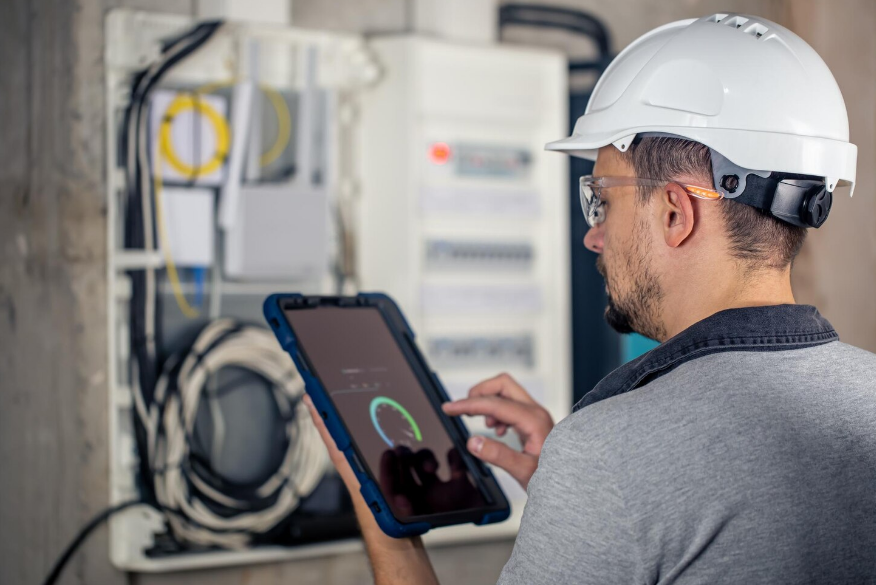

Imagine a scenario where a critical system fails, demanding immediate attention. Traditionally, finding an available technician with the right skills and proximity has been a frantic, time-consuming process. Thankfully, real time service availability mapping is revolutionizing how businesses respond to urgent repair needs, transforming chaos into controlled efficiency. This innovative approach leverages advanced technology to provide an instant, visual overview of your service team’s status, location, and capabilities. It’s a powerful tool that ensures the quickest, most effective dispatch, drastically reducing downtime and significantly boosting customer satisfaction, making it indispensable for modern operations facing unexpected challenges.
The Power of Instant Visibility
Real-time service availability mapping offers an unprecedented level of transparency into your field operations. By integrating GPS tracking, mobile workforce management software, and live data feeds, businesses can see exactly where every technician is, what they are currently working on, and their estimated completion times. This visual dashboard eliminates guesswork, allowing dispatchers to make informed decisions in mere seconds, rather than minutes or hours, which is crucial when every moment counts during an emergency repair situation.
- Metropolitan Repair Services: Price vs. Quality Comparison Guide
- Cost-Efficient Home Repairs: Smart Booking Strategies to Save Money
- Understanding Home Repair Costs: Pricing Models & Estimation Guide
- Regional Home Repair Trends: Uncovering Service Accessibility Insights
- Regional Service Provider SEO: Listing Strategies for Max Local Visibility
This immediate insight isn’t just about location; it also encompasses skill sets, certifications, and even equipment carried by each technician. For instance, if a specialized HVAC unit breaks down, the system can instantly identify the closest available technician trained specifically for that model, ensuring the right person is dispatched every time. This precision dramatically improves first-time fix rates, reduces unnecessary travel, and ultimately enhances the overall efficiency and profitability of service operations, providing a competitive edge in 2026 and beyond.
Why It’s Critical for Urgent Repairs
For urgent repair needs, speed and accuracy are paramount. Real-time service availability mapping directly addresses these demands by cutting down response times significantly. When a burst pipe or a critical power outage occurs, every minute of delay can lead to substantial financial losses or even safety hazards. By visualizing your entire service fleet, you can instantly identify the closest and most appropriate technician, initiating dispatch almost immediately after a service request comes in.
Beyond just speed, the system enhances coordination and resource allocation. It prevents double-booking, minimizes idle time, and ensures that technicians are deployed strategically across various urgent tasks. This optimized workflow not only gets repairs done faster but also improves customer communication, as estimated arrival times become far more accurate. Customers appreciate transparency and prompt service, building trust and loyalty, which are invaluable assets for any business dealing with critical repair scenarios. Learn more about the benefits of real-time data in service management by visiting industry resources like Gartner’s supply chain insights.
How It Works: The Tech Behind the Magic
The magic of real-time service availability mapping relies on a sophisticated stack of technologies working in harmony. At its core are GPS-enabled devices carried by technicians, constantly transmitting their location data. This raw data is then fed into a central platform, often cloud-based, which processes it alongside other critical information like work orders, technician skills databases, and customer locations. Advanced algorithms then visualize this data on an interactive map, often color-coded or icon-based, for dispatchers.
Furthermore, many systems integrate with IoT sensors on equipment, triggering alerts when a malfunction occurs, sometimes even before the customer notices. AI and machine learning play a crucial role in predicting potential issues, optimizing routes, and suggesting the best technician based on a multitude of factors, not just proximity. This predictive capability transforms reactive repair into proactive maintenance, further reducing the impact of urgent situations and streamlining operations for greater efficiency.
Implementing a Robust System
Implementing a successful real-time service availability mapping system requires careful planning and execution. Start by assessing your current operational needs and identifying key pain points in your urgent repair process. Choose a software solution that offers robust integration capabilities with your existing CRM, ERP, and field service management tools. Prioritize user-friendliness for both dispatchers and technicians to ensure smooth adoption and maximum utilization.
Invest in comprehensive training for your team, emphasizing how the new system streamlines their daily tasks and benefits overall service delivery. Regular data audits and system updates are also essential to maintain accuracy and leverage the latest technological advancements. Consider a phased rollout, starting with a pilot program, to iron out any kinks before a full deployment. This strategic approach ensures a seamless transition and unlocks the full potential of real-time mapping.
Real-World Applications and Best Practices
Across various industries, real-time service availability mapping is proving its worth. In utilities, it allows companies to quickly dispatch crews to restore power or repair water mains during emergencies, minimizing disruption to thousands. For HVAC and plumbing services, it means a rapid response to burst pipes or furnace failures, protecting properties and ensuring comfort. Even in healthcare, mobile care units can be dispatched efficiently to patients needing urgent attention. This technology is truly versatile.
To maximize its effectiveness, always keep your technician skill profiles meticulously updated. Encourage technicians to provide real-time status updates on their mobile devices, ensuring the map reflects the most current information. Regularly review historical data from the mapping system to identify trends, optimize routes, and improve staffing levels for peak urgent demand. Consider integrating customer communication tools directly with the mapping system, so customers receive automated updates on their technician’s ETA, enhancing their experience significantly. For more on field service management best practices, explore resources like Field Service News.
Overcoming Challenges and Future Prospects
While incredibly beneficial, implementing real-time service availability mapping isn’t without its challenges. Data privacy and security are paramount, requiring robust encryption and compliance measures to protect sensitive information. Integrating new mapping software with legacy systems can also be complex, demanding careful planning and potentially custom API development. Ensuring consistent data accuracy, especially from technicians who might forget to update their status, requires ongoing training and system prompts.
Looking ahead to 2026 and beyond, the future of real time service availability mapping is incredibly promising. We anticipate even deeper integration with predictive analytics, allowing systems to not only identify available technicians but also anticipate future repair needs based on equipment performance data. The rise of augmented reality could provide technicians with on-site visual guidance, while drones might assist in rapidly assessing damage in hard-to-reach areas, further enhancing the efficiency and scope of urgent repair services. Expect AI to play an even more significant role in dynamic route optimization and resource allocation.
Key Takeaways
- Real-time service mapping provides immediate visibility into technician locations and statuses.
- It drastically reduces response times for urgent repairs, improving efficiency and customer satisfaction.
- The system integrates GPS, IoT, and AI to offer intelligent dispatch and resource allocation.
- Successful implementation requires careful planning, integration, and continuous training for optimal results.
Frequently Asked Questions
What is the primary benefit of real time service availability mapping for urgent repairs?
The primary benefit is the dramatic reduction in response times and the ability to dispatch the most suitable technician quickly and efficiently. This minimizes downtime, reduces costs, and significantly improves customer satisfaction during critical repair situations.
What technologies power these mapping systems?
These systems are typically powered by a combination of GPS tracking, mobile workforce management software, cloud computing for data processing, and increasingly, artificial intelligence and machine learning for predictive analytics and optimized dispatching.
Can this technology be used by small businesses?
Absolutely. While often associated with larger enterprises, many scalable and affordable real-time mapping solutions are available that cater specifically to the needs of small and medium-sized businesses, allowing them to compete effectively in rapid response services.
How does it improve customer experience?
It improves customer experience by providing faster service, more accurate estimated arrival times, and better communication. Customers appreciate knowing when help will arrive and that the right expert is on their way, reducing anxiety during urgent situations.
Conclusion
Real time service availability mapping is no longer a luxury but a critical necessity for any organization dealing with urgent repair needs. It transforms reactive chaos into proactive control, ensuring that the right technician arrives at the right place at the right time. By embracing this technology, businesses can significantly enhance operational efficiency, reduce costs, and build stronger customer relationships through unparalleled service delivery. Investing in such a system today means staying ahead of the curve, ready to tackle any urgent challenge that comes your way in 2026 and beyond.