
The success of any modern service business increasingly hinges on its digital presence, and for local repair services, mastering location based repair service categorization and user experience design is paramount. This isn’t just about listing your business online; it’s about creating an intuitive, seamless journey for customers seeking immediate solutions to their repair needs, from a broken smartphone screen to a malfunctioning HVAC system. By strategically categorizing services and meticulously designing the user experience, businesses can significantly boost visibility, customer satisfaction, and ultimately, profitability in an increasingly competitive market. Let’s delve into how to achieve this crucial synergy for your repair business.
Understanding Local Repair Service Dynamics
The landscape of local repair services is undergoing a rapid transformation, driven by consumer demand for convenience and instant gratification. Customers expect to find, compare, and book repair services with minimal effort, often from their mobile devices while on the go. This shift necessitates that businesses not only offer excellent repair work but also provide an outstanding digital experience that mirrors the efficiency and reliability of their physical service. Understanding the unique dynamics of local search and service discovery is the first step towards building a robust online presence.
- Metropolitan Repair Services: Price vs. Quality Comparison Guide
- Location Intelligence for Ultra-Fast Emergency Repair Response
- How to Choose the Best Repair Provider: Your Service Comparison Framework
- Robust Service Provider Verification Framework for Quality Assurance Standards
- Structured Local Repair Listings: Improve Discoverability and Trust
Effective categorization helps potential customers quickly identify if your business can solve their specific problem, filtering out irrelevant options. For instance, a user searching for “iPhone screen repair near me” expects to see businesses clearly indicating this specialty, rather than a general electronics repair shop. Without clear, concise categorization aligned with common search queries, even the most skilled technicians risk being overlooked. This foundational understanding sets the stage for designing a user journey that converts browsers into loyal customers, especially as we look towards the sophisticated demands of 2026.
Strategic Service Categorization for Visibility
Categorizing your repair services effectively is much more than just listing what you do; it’s about structuring information in a way that aligns with how users search and think. This involves breaking down broad service areas into specific, searchable niches. For example, instead of a generic “Appliance Repair,” consider categories like “Washing Machine Repair,” “Refrigerator Repair,” and “Oven Repair.” Each of these can be further refined by brand or common issue, creating a highly granular and precise service taxonomy that search engines and users adore.
Implementing User-Centric Categorization Schemas
To truly optimize categorization, think like your customer. What keywords would they use? What problems are they trying to solve? Leverage data from common customer inquiries, website search logs, and even competitor analysis to inform your schema. Consider hierarchical structures, starting broad and narrowing down, allowing users to drill into their specific need. Tools like Google My Business and other local directories provide specific categorization fields; using these consistently and accurately is critical for local SEO. A well-defined categorization also helps in routing customer inquiries to the right technician, streamlining internal operations by 2026.
Designing a Seamless User Experience
User experience (UX) design for location-based repair services is all about minimizing friction from initial search to service completion. This means creating an intuitive interface where users can easily find the service they need, understand pricing, check availability, and book appointments. Key elements include clear calls to action, mobile responsiveness, and fast loading times. A frustrating online experience can deter potential customers even before they learn about the quality of your repair work, highlighting the importance of investing in a well-thought-out digital pathway.
Transparency is another cornerstone of excellent UX. Customers appreciate clear communication regarding service descriptions, pricing models, and repair timelines. Integrating real-time availability and instant booking options can dramatically improve satisfaction, reducing the back-and-forth communication that often frustrates users. Providing a simple feedback mechanism post-service also closes the loop, showing customers their opinions are valued and offering valuable insights for continuous improvement. For more insights on user experience best practices, consider resources like the Nielsen Norman Group’s guidelines on usability.
Leveraging Technology for Enhanced UX
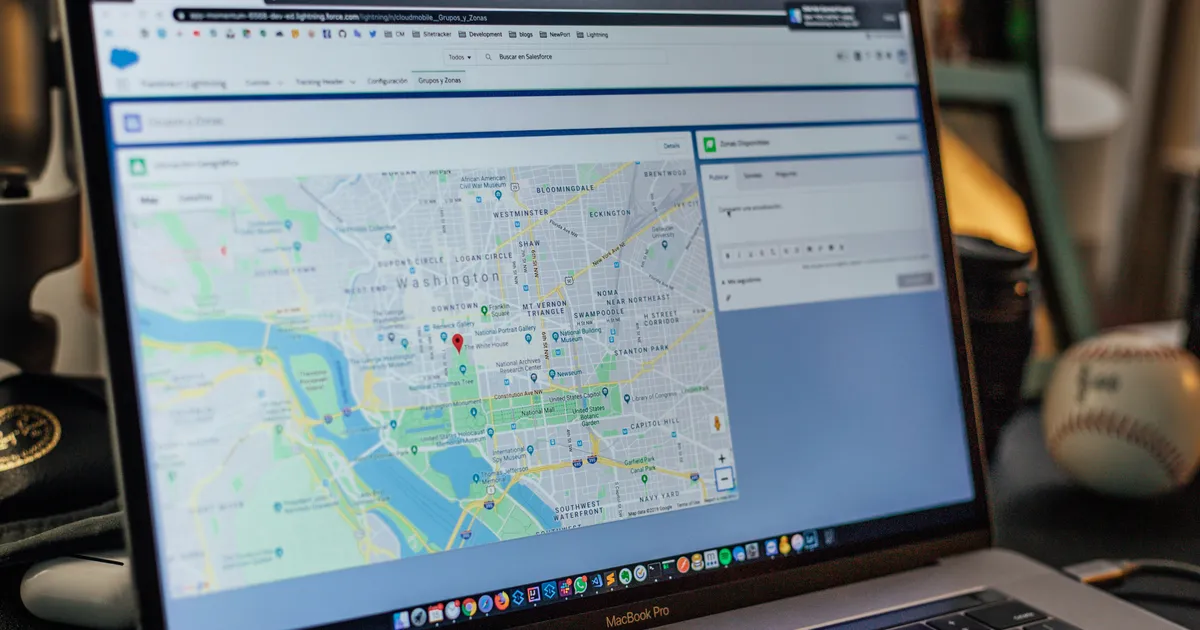
Modern technology offers powerful tools to elevate the user experience for location-based repair services. Geo-location services, for instance, allow businesses to present highly relevant local options, showing users technicians closest to them or services available in their immediate vicinity. Integrated scheduling software can display real-time availability, letting customers book appointments instantly without phone calls. This level of automation not only improves customer convenience but also frees up staff to focus on core repair tasks, leading to greater operational efficiency.
Furthermore, the integration of AI-powered chatbots can provide instant answers to common questions, guiding users through the service selection and booking process 24/7. Mobile applications designed specifically for your repair service can offer a personalized experience, storing past service history, preferred technicians, and offering push notifications for service reminders or promotions. The strategic adoption of these technologies is not just about staying competitive; it’s about setting new standards for convenience and reliability in the repair industry by 2026. For a deeper dive into tech trends impacting local businesses, explore industry analyses from publications like Forbes Small Business section.
Implementation and Continuous Improvement
Implementing a robust location-based repair service categorization and UX design isn’t a one-time project; it’s an ongoing process of refinement and adaptation. Start by auditing your current online presence, identifying pain points in the customer journey and areas where categorization can be improved. Gather feedback from customers through surveys, reviews, and direct conversations to understand their needs and expectations. A/B test different categorization structures or booking flows to see what resonates best with your audience.
Regularly update your service categories to reflect new technologies, common repair issues, or evolving customer demands. Monitor your website analytics and local search performance to identify trends and make data-driven decisions. The digital landscape is constantly changing, and staying agile and responsive to these changes ensures your business remains visible and attractive to customers. Embracing this iterative approach guarantees that your location-based repair service continues to deliver an exceptional user experience, driving growth and customer loyalty well beyond 2026.
Key Takeaways
- Strategic service categorization directly impacts search visibility and customer relevance.
- User experience design must prioritize ease of navigation, transparency, and instant booking.
- Leverage geo-location, AI chatbots, and mobile apps to enhance service delivery and convenience.
- Continuous monitoring and feedback loops are essential for ongoing optimization and adaptation.
Frequently Asked Questions
Why is categorization so important for local repair services?
Effective categorization helps search engines understand your services, making it easier for potential customers to find you when they search for specific repairs in their local area. It improves visibility and relevance.
What are the core elements of a great UX for repair services?
Key elements include clear service descriptions, transparent pricing, easy booking options, mobile responsiveness, fast load times, and clear communication channels to build trust and reduce friction.
How can small businesses compete with larger repair chains online?
Small businesses can leverage highly specific niche categorizations, personalized local service, and superior, localized user experience design to stand out and attract customers seeking specialized, reliable service.
What role does mobile play in location-based repair services?
Mobile is crucial, as most customers search for local repairs on their smartphones. A mobile-first design, with easy navigation and quick booking on small screens, is essential for capturing and converting these users.
Conclusion
Mastering location based repair service categorization and user experience design is no longer optional; it’s a fundamental requirement for success in today’s digital-first world. By thoughtfully structuring your services and crafting an intuitive, transparent, and efficient online experience, you not only attract more customers but also build lasting relationships based on trust and convenience. Invest in these areas, and your repair business will not only survive but thrive, connecting effectively with the customers who need your expertise most.