
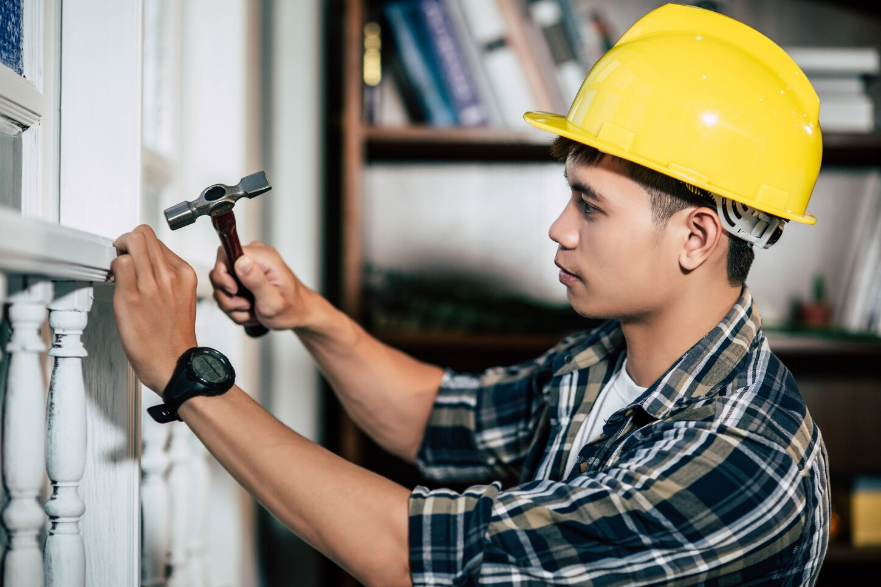
Navigating the world of home repairs can often feel like a financial tightrope walk, especially when unexpected issues arise. However, with a proactive mindset and smart planning, implementing cost efficiency strategies while booking home repair services is entirely achievable. This isn’t about cutting corners on quality, but rather about making informed decisions that protect your wallet without compromising the integrity of your home. From routine maintenance to emergency fixes, understanding how to maximize value and minimize unnecessary expenses can save you significant stress and money in the long run. Let’s explore practical approaches to ensure your home remains in top shape without breaking the bank.
Proactive Maintenance Prevents Major Costs
One of the most effective cost efficiency strategies for home repairs is to embrace proactive maintenance. Regular inspections and preventative care can identify minor issues before they escalate into costly emergencies. For instance, checking your HVAC filters monthly, cleaning gutters bi-annually, and inspecting plumbing for small leaks can avert large-scale failures. Think of it as investing a little time and money now to save a lot later. Ignoring small drips or unusual noises from appliances in 2026 could lead to complete system replacements, which are significantly more expensive than a simple repair or component swap.
- The Future of Repair: Hyperlocal Service Categorization & Intuitive UX Design
- How to Vet Professional Technicians: Background Checks for Credibility & Trust
- How to Boost Local Emergency Service Accessibility for Your Community
- Service Booking Optimization: Strategies for a Seamless User Experience
- Optimize Emergency Response: Proximity-Based Technician Allocation
Creating a seasonal home maintenance checklist is a practical step towards proactive care. This list might include tasks like sealing drafts around windows, testing smoke detectors, or inspecting your roof for loose shingles. By systematically addressing these items, you extend the lifespan of your home’s components and reduce the likelihood of sudden, expensive breakdowns. Many homeowners find that a small annual budget allocated to preventative maintenance yields substantial savings, making it a cornerstone of smart financial planning for your residence. This foresight ensures your home remains comfortable and functional without unexpected financial shocks.
Thorough Research and Multiple Quotes
When a repair becomes necessary, diligent research and obtaining multiple quotes are paramount to achieving cost efficiency. Never settle for the first estimate you receive, especially for significant projects. Contact at least three different service providers, clearly outlining the scope of work required. This process not only helps you compare pricing but also allows you to gauge the professionalism, responsiveness, and expertise of various contractors. Look beyond just the bottom line; consider their reputation, licensing, insurance, and warranty offerings. A slightly higher quote from a highly-rated, insured contractor often offers better value and peace of mind.
Beyond price, understanding what each quote includes is crucial. Some estimates might be lower because they omit necessary steps or use inferior materials. Always ask for a detailed breakdown of labor, materials, and any potential additional fees. Don’t hesitate to ask questions about their process, timelines, and how they handle unforeseen complications. Checking online reviews on platforms like Yelp or Google, and asking for local references, provides invaluable insight into a company’s reliability. This comprehensive approach ensures you hire a competent professional at a fair market price, contributing significantly to overall cost efficiency.
Verify Credentials and Reputation
Before committing to any service provider, it’s essential to verify their credentials and reputation. Check if they are licensed and insured in your state, which protects you from liability in case of accidents on your property. Resources like your state’s contractor licensing board can confirm their status. Furthermore, delve into their customer reviews and testimonials. Look for consistent patterns in feedback regarding punctuality, communication, quality of work, and adherence to quoted prices. A contractor with a solid track record is more likely to provide reliable service and avoid hidden costs, reinforcing your cost efficiency goals.
Understanding Estimates and Contracts
A critical element of achieving cost efficiency in home repairs involves a thorough understanding of all estimates and contracts. Before any work begins, ensure you receive a written estimate that details the scope of work, material costs, labor rates, project timeline, and payment schedule. This document should clearly outline what is and isn’t included, preventing misunderstandings later. Ambiguous terms or verbal agreements can lead to unexpected charges, so always insist on clear, written documentation. If anything in the estimate seems unclear, ask for clarification until you are fully satisfied.
When reviewing the contract, pay close attention to clauses regarding change orders, warranties, and dispute resolution. A reputable contractor will have a transparent process for handling any unforeseen issues that might alter the original scope or cost. Ensure the warranty covers both labor and materials for a reasonable period. Understanding these terms upfront empowers you to hold the contractor accountable and avoid potential disputes or additional expenses down the line. A well-understood contract is your best defense against hidden fees and ensures the project aligns with your cost efficiency expectations for 2026 and beyond.
Strategic DIY vs. Professional Intervention
Deciding when to tackle a home repair yourself versus when to call a professional is a cornerstone of cost efficiency. For minor tasks like patching a small hole in drywall, changing a light fixture, or unclogging a simple drain, DIY can save you significant labor costs. There’s a wealth of online tutorials and guides available that can walk you through basic repairs. However, it’s crucial to be honest about your skill level, the tools required, and the potential risks involved. Attempting complex electrical work or structural repairs without proper expertise can lead to more expensive damage, safety hazards, or even legal issues.
For more intricate jobs, such as significant plumbing leaks, HVAC system overhauls, or roof repairs, professional intervention is almost always the more cost-effective choice in the long run. Professionals bring specialized tools, extensive experience, and the necessary certifications to ensure the job is done correctly and safely the first time. They also often provide warranties on their work, offering peace of mind. Prioritizing quality and safety over a potentially risky DIY attempt ultimately contributes to long-term cost efficiency, as it prevents costly re-dos or further damage to your home.
Leveraging Off-Peak Times and Discounts
Timing can play a significant role in enhancing cost efficiency when booking home repair services. If your repair isn’t an emergency, consider scheduling it during off-peak seasons or less busy times for contractors. For instance, HVAC repairs might be cheaper in the spring or fall than in the peak summer or winter months. Similarly, scheduling non-urgent work during weekdays rather than weekends might offer more flexibility and potentially lower rates, as some contractors charge premium rates for weekend services. Always inquire about their busiest periods and if scheduling during quieter times offers any price advantages.
Furthermore, actively seek out potential discounts and special offers. Many contractors provide discounts for first-time customers, seniors, military personnel, or for bundling multiple services. Some might offer preventative maintenance packages that include discounted future repairs. Subscribing to newsletters from local service providers can also alert you to seasonal promotions. Don’t be shy about asking if there are any current promotions or if they would be willing to match a competitor’s quote. A little negotiation and strategic timing can lead to considerable savings, boosting your cost efficiency efforts.
Key Takeaways
- Prioritize proactive maintenance to prevent minor issues from becoming expensive emergencies.
- Always obtain multiple detailed quotes and thoroughly research contractor credentials before hiring.
- Understand all terms in estimates and contracts to avoid hidden fees and ensure clear expectations.
- Wisely assess when to DIY a repair and when professional intervention is the safer, more cost-effective choice.
- Leverage off-peak scheduling and inquire about discounts to optimize service costs.
Frequently Asked Questions
How can I find reliable contractors in my area?
Start by asking friends, family, and neighbors for recommendations. Online platforms like Angie’s List, HomeAdvisor, and even local community groups on social media can provide valuable leads and reviews. Always cross-reference these with your state’s licensing board to ensure they are properly credentialed and insured. Checking their Better Business Bureau rating can also offer insights into their customer service history and complaint resolution.
Is it always cheaper to do a repair myself?
Not necessarily. While DIY saves on labor costs, you must factor in the cost of tools, materials, and your time. More importantly, consider the complexity and potential risks. If a repair is beyond your skill set, a botched DIY job could lead to more extensive damage, requiring an even more expensive professional fix. For critical systems or safety-related issues, professional service is usually the more cost-effective and secure option.
What should I do if a contractor’s quote seems too low?
A quote that is significantly lower than others should be a red flag. It might indicate that the contractor is cutting corners on materials, lacking proper insurance, or will add numerous hidden fees later. Always ask for a detailed breakdown to understand why their price is so low compared to competitors. If they cannot provide a satisfactory explanation or seem evasive, it’s best to avoid them, as this often leads to more problems and costs down the line.
How often should I have my home systems professionally inspected?
The frequency depends on the system. HVAC systems often benefit from annual inspections to ensure efficiency and catch potential issues. Plumbing and electrical systems might need checks every few years, unless you notice specific problems. Roofing should be inspected annually, especially after severe weather. Establishing a routine helps maintain performance and extends the lifespan of these critical components, enhancing long-term cost efficiency.
Conclusion
Achieving cost efficiency while booking home repair services is an ongoing process that combines diligence, foresight, and smart decision-making. By embracing proactive maintenance, thoroughly vetting contractors, understanding your contracts, and making informed choices about DIY projects, you can significantly reduce the financial burden of home upkeep. These strategies empower you to maintain a safe, comfortable home without unnecessary expenditures, ensuring your investment is protected for years to come. Remember, a little planning today can save you a lot of money and stress tomorrow.