
In today’s fast-paced world, the ability to deliver swift and effective solutions is paramount for any service-oriented business. Establishing robust rapid response repair service systems and operational frameworks is no longer a luxury but a fundamental requirement for maintaining customer satisfaction, operational efficiency, and competitive advantage. These systems are designed to minimize downtime, address urgent issues promptly, and ensure that critical equipment or services are restored with minimal disruption. Understanding the intricacies of these frameworks can empower businesses to transform their service delivery from reactive firefighting to proactive, strategic excellence, creating loyal customers and a strong market presence.
The Imperative of Speed in Service Delivery
In an era where customers expect immediate gratification, the speed of repair service directly impacts brand reputation and customer loyalty. A rapid response system ensures that when a critical breakdown occurs, whether it’s an HVAC system in a commercial building or a crucial piece of manufacturing equipment, technicians are dispatched, and solutions are initiated without undue delay. This quick action not only mitigates potential financial losses for the client but also reinforces trust, demonstrating a service provider’s commitment to reliability and customer success. Delays can lead to significant operational bottlenecks, revenue loss, and irreparable damage to client relationships, making swift intervention non-negotiable.
- Robust Service Provider Verification Framework for Quality Assurance Standards
- Optimize Emergency Response: Proximity-Based Technician Allocation
- Regional Service Provider SEO: Listing Strategies for Max Local Visibility
- Service Booking Optimization: Strategies for a Seamless User Experience
- Optimize Urban Repair: Ecosystem Evaluation & Performance Insights
Beyond customer satisfaction, an efficient rapid response framework contributes significantly to a company’s bottom line. By reducing the time technicians spend traveling or waiting for parts, and by optimizing their schedules, businesses can increase the number of service calls completed daily. This operational efficiency translates into higher revenue per technician and lower overall operational costs. Furthermore, data collected from rapid response calls can highlight common failure points, enabling proactive maintenance strategies that prevent future emergencies, transforming a reactive expense into a strategic investment in long-term equipment health and service delivery excellence.
Core Components of a Robust System
A truly effective rapid response system is built upon several interconnected core components, starting with an intelligent intake and dispatch mechanism. This involves sophisticated call routing, automated incident logging, and real-time technician availability tracking. The system must be capable of quickly assessing the urgency and nature of a request, then matching it with the most qualified and geographically proximate technician, considering their current workload and skill set. Accurate pre-diagnosis, often aided by customer input or IoT sensors, allows technicians to arrive on-site with the right tools and parts, dramatically increasing first-time fix rates.
Another critical element is comprehensive inventory management, ensuring that necessary parts are readily available, either on technician vehicles or at strategically located depots. This minimizes delays caused by waiting for components. Coupled with this is a robust communication protocol, facilitating seamless information exchange between customers, dispatchers, and field technicians. Mobile applications empower technicians with access to service histories, schematics, and real-time support, while also providing customers with updates on technician arrival times and repair progress. Implementing a digital feedback loop post-service can also provide invaluable insights for continuous improvement.
Real-time Data and Analytics
Leveraging real-time data and analytics is fundamental to optimizing rapid response repair service systems. By continuously monitoring key performance indicators (KPIs) such as response times, resolution rates, and technician utilization, businesses gain actionable insights into their operational efficiency. This data can pinpoint bottlenecks in the dispatch process, highlight common equipment failures, or identify training needs for specific technical skills. Predictive analytics, increasingly common by 2026, can even forecast potential issues before they escalate into emergencies, allowing for proactive intervention and further reducing the need for urgent rapid responses.
Leveraging Technology for Agility
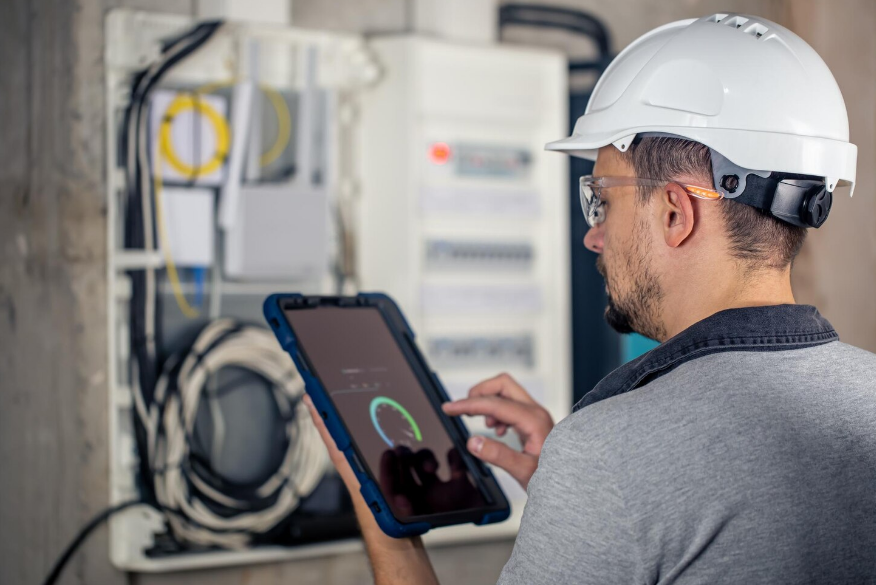
Modern rapid response systems are deeply intertwined with advanced technology. Field Service Management (FSM) software, for instance, integrates scheduling, dispatch, work order management, and invoicing into a single platform. This digital backbone provides dispatchers with a bird’s-eye view of all ongoing operations and available resources, enabling dynamic rescheduling and rapid allocation of tasks. Technicians, equipped with mobile FSM apps on ruggedized tablets, can access customer information, equipment manuals, and diagnostic tools directly from the field, streamlining their workflow and enhancing their problem-solving capabilities.
The Internet of Things (IoT) plays an increasingly pivotal role, especially in commercial and industrial settings. Sensors embedded in machinery can continuously monitor performance parameters and send alerts when anomalies are detected, often before a full breakdown occurs. This predictive maintenance capability allows service providers to schedule proactive repairs during off-peak hours, preventing costly downtime and reducing the reliance on emergency rapid responses. Artificial Intelligence (AI) and machine learning are also being integrated to optimize routing, predict part failures, and even assist technicians with on-site diagnostics, making rapid response even more intelligent and efficient by 2026.
Crafting Effective Operational Frameworks
Beyond technology, the human element and well-defined processes are crucial. An effective operational framework for rapid response repair services begins with clear Standard Operating Procedures (SOPs) for every step, from initial call reception to post-service follow-up. These SOPs ensure consistency, reduce errors, and provide a clear roadmap for all team members. Regular, rigorous training for technicians on new equipment, diagnostic techniques, and customer service soft skills is also non-negotiable. Empowering technicians with decision-making authority within defined parameters can also significantly speed up resolution times.
Establishing robust communication channels and protocols is another cornerstone. This includes not only internal communication between dispatch and field teams but also transparent communication with the customer throughout the service journey. Providing real-time updates via SMS or a customer portal can manage expectations and reduce anxiety. Furthermore, a strong feedback loop, involving post-service surveys or follow-up calls, helps to identify areas for improvement and ensures that the service provided met or exceeded customer expectations. This continuous refinement is essential for maintaining a truly rapid and high-quality service, as discussed by industry leaders on sites like Service Council.org.
Overcoming Common Challenges
Implementing and maintaining rapid response repair service systems is not without its challenges. One significant hurdle is managing technician availability and workload, especially during peak demand periods or when dealing with unexpected staff shortages. Effective scheduling software, cross-training of technicians for multiple specialties, and having a pool of on-call or contracted support staff can help mitigate these issues. Another challenge lies in maintaining an optimized spare parts inventory without incurring excessive carrying costs. Utilizing predictive analytics to forecast part needs and establishing strong relationships with suppliers for expedited delivery are key strategies.
Logistical complexities, such as navigating traffic, accessing secure facilities, or dealing with remote locations, can also impede rapid response. Leveraging GPS tracking, dynamic routing software, and pre-approvals for site access can streamline these processes. Furthermore, ensuring consistent service quality across a diverse team and geographical area requires ongoing training, clear performance metrics, and a culture of accountability. By proactively addressing these challenges, businesses can strengthen their rapid response capabilities and ensure they remain agile and reliable in 2026 and beyond. Insights from organizations like the Field Service Association often highlight these common pitfalls and best practices for overcoming them.
Key Takeaways
- Rapid response repair systems are critical for customer satisfaction, operational efficiency, and competitive advantage.
- Integrated technology, from FSM software to IoT and AI, is essential for optimizing dispatch, diagnostics, and predictive maintenance.
- Well-defined operational frameworks, including clear SOPs, continuous training, and robust communication, underpin successful rapid service delivery.
- Proactive strategies for inventory management, technician scheduling, and addressing logistical challenges are vital for sustained agility.
Frequently Asked Questions
What is the primary benefit of a rapid response repair system?
The primary benefit is significantly reduced downtime for critical equipment and services, leading to higher customer satisfaction, minimized operational losses for clients, and an enhanced reputation for reliability and efficiency for the service provider.
How does IoT contribute to rapid response services?
IoT sensors embedded in equipment provide real-time performance data and can trigger alerts when anomalies occur. This enables predictive maintenance, allowing service providers to address potential issues proactively before they escalate into urgent breakdowns, thereby reducing the need for reactive rapid responses.
What role does technician training play in a rapid response framework?
Technician training is crucial for ensuring proficiency in diagnostics, repair techniques, and customer interaction. Well-trained technicians can identify and resolve issues more quickly and accurately, improving first-time fix rates and overall service quality, which are vital for a rapid response system.
How can businesses measure the effectiveness of their rapid response system?
Effectiveness can be measured through key performance indicators (KPIs) such as average response time, first-time fix rate, mean time to repair (MTTR), customer satisfaction scores, and technician utilization rates. Regular analysis of these metrics helps identify areas for improvement.
Conclusion
Building and refining rapid response repair service systems and operational frameworks is a continuous journey, but one that yields substantial rewards. By strategically integrating advanced technology, establishing clear processes, and investing in skilled personnel, businesses can transform their service delivery from merely reactive to consistently proactive and exceptionally efficient. This not only safeguards client operations and enhances customer loyalty but also positions the service provider as a trusted, indispensable partner in an increasingly demanding market. Embracing these principles ensures sustained success and a competitive edge well into the future.