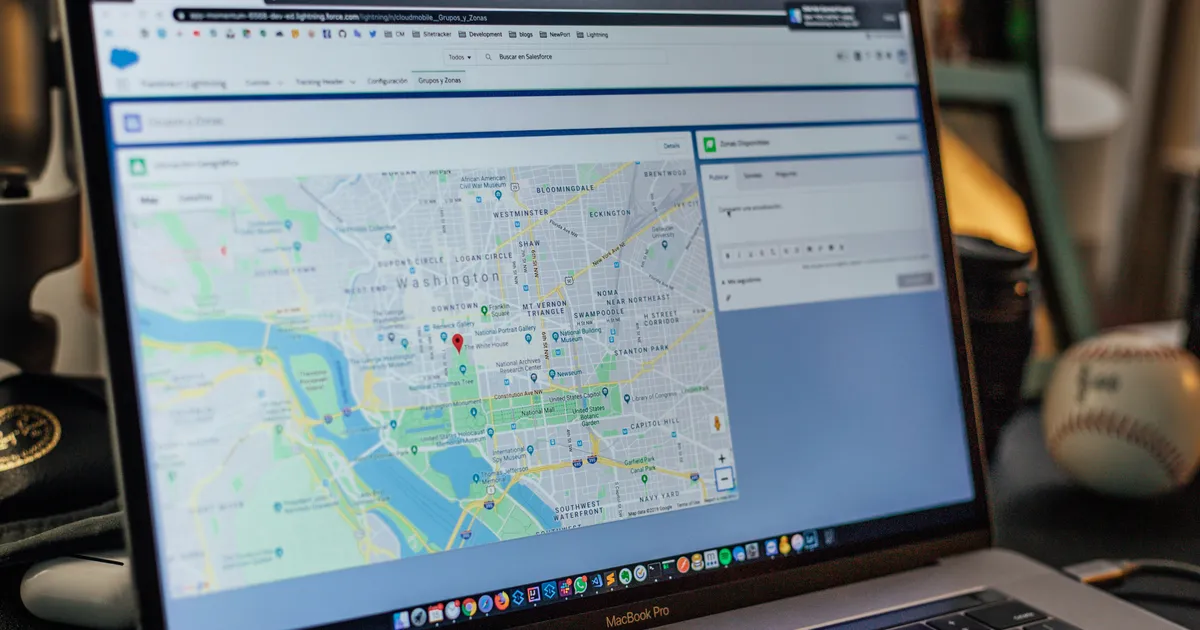

In today’s competitive digital landscape, mastering structured local repair listings is no longer just an option; it’s a fundamental necessity for any service business aiming for improved discoverability and trust. Whether you run an auto repair shop, a plumbing service, or an electronics repair store, how your business information is presented online directly impacts your ability to attract local customers. By systematically organizing and presenting your services, location, and customer feedback using structured data, you empower search engines to understand your offerings better. This precision leads to higher visibility in local search results and builds immediate confidence with potential clients who are looking for reliable local help, setting the stage for growth in 2026 and beyond.
Understanding Structured Local Repair Listings
Structured local repair listings refer to the organized way businesses present their information to search engines. This typically involves using schema markup – a specialized vocabulary of tags and attributes that you can add to your website’s HTML to help search engines like Google understand the content. For repair businesses, this means explicitly defining your service types (e.g., auto repair, appliance repair), service areas, contact details, hours of operation, and customer reviews. Without this structured approach, search engines rely more on inference, which can lead to less accurate or less prominent listings, directly hindering your potential customer reach.
- Boost Trust & Sales: Pricing Transparency Frameworks for Local Repair Shops
- Robust Service Provider Verification Framework for Quality Assurance Standards
- Build Trust: The Essential Vendor Onboarding Process for Local Service Directories
- Service Booking Optimization: Strategies for a Seamless User Experience
- Accurate Budgeting: Essential Repair Cost Evaluation Metrics
The primary goal of implementing structured data for local repair listings is to enhance your business’s online presence, making it easier for search engines to match your services with relevant local queries. When your website incorporates schema markup for “LocalBusiness” or “Service,” search engines can display rich snippets in search results, such as star ratings, pricing, or operating hours, right alongside your listing. This not only makes your business stand out but also provides immediate, valuable information to users, improving click-through rates and driving more qualified leads directly to your doorstep or appointment booking system.
Why They Matter for Discoverability
For local repair businesses, discoverability is paramount. Structured local repair listings significantly boost your visibility in local search results, including Google Maps and the local pack. Search engines prioritize businesses that provide clear, accurate, and easily digestible information. When your website uses schema markup, you’re essentially speaking the search engine’s language, allowing it to categorize and rank your business more effectively for location-specific searches like “plumber near me” or “iPhone repair downtown.” This enhanced indexing capability means your business is more likely to appear when a local customer is actively searching for your services.
Beyond basic search rankings, structured data also influences how your business appears in other critical discovery channels, such as voice search and AI-powered assistants. As these technologies become more prevalent, the ability for them to quickly and accurately pull information about your repair services from your structured listings will be crucial. Imagine a potential customer asking their smart device, “Find a reliable car repair shop open now.” A business with well-implemented structured data and an optimized Google Business Profile will have a significant advantage in being the one recommended, ensuring you don’t miss out on future opportunities.
Building Trust and Authority
In the repair industry, trust is the cornerstone of customer relationships. Structured local repair listings play a vital role in building this trust even before a customer sets foot in your shop or makes a call. By accurately displaying information like your physical address, phone number, and operating hours, you demonstrate reliability and transparency. Furthermore, schema markup for reviews and ratings allows your positive customer feedback to be prominently featured in search results, offering immediate social proof and significantly boosting your credibility. People are more likely to choose a business with visible, positive reviews.
Consistency across all your online listings, from your website to your Google Business Profile and other directories, is another trust-building element facilitated by structured data. When search engines see uniform information, it reinforces the legitimacy and professionalism of your business. This consistency minimizes confusion for potential customers and signals to search engines that your data is authoritative. In an era where online reputation is everything, presenting a cohesive and trustworthy digital storefront through structured listings is indispensable for securing new business and fostering long-term customer loyalty.
Practical Steps to Implement Structured Data
Implementing structured data might sound technical, but it’s more accessible than you think. Start by identifying the most relevant schema types for your repair business. Common types include LocalBusiness, Service, Organization, and Review. You can use Google’s Structured Data Markup Helper to generate the necessary JSON-LD code, which is Google’s preferred format. This tool allows you to highlight elements on your webpage and assign them corresponding schema properties, making the process straightforward even for those without extensive coding knowledge. Once generated, embed this code into the <head> or <body> section of your relevant web pages.
After implementing the code, it’s crucial to test it. Google offers a Rich Results Test tool that allows you to paste your URL or code snippet to check for errors and see what rich results Google can generate from your structured data. Regularly reviewing your structured data ensures its accuracy and compliance with search engine guidelines, especially as these guidelines can evolve. Keeping your listings updated with any changes to your services, hours, or contact information is a continuous process that ensures your digital presence remains effective and trustworthy for customers seeking your expertise in 2026.
Optimizing Your Google Business Profile
While structured data on your website is crucial, your Google Business Profile (GBP) acts as a highly visible, free marketing tool that perfectly complements your structured website data. Ensure your GBP is meticulously filled out with accurate and complete information, including your business name, address, phone number, website, hours, services offered, and categories. Encourage customers to leave reviews, and make sure to respond to them promptly and professionally. Regularly posting updates, photos, and special offers on your GBP can significantly enhance your local search ranking and engagement. Think of your GBP as the front door to your business in the digital world; keeping it pristine and inviting is paramount.
Monitoring & Maintaining Your Listings
The work doesn’t stop once your structured local repair listings are live. Continuous monitoring and maintenance are essential for long-term success. Regularly check your Google Search Console for any structured data errors or warnings that might impact your visibility. Pay close attention to your Google Business Profile insights to understand how customers are finding and interacting with your listing. Are your calls increasing? Are people requesting directions? These metrics provide valuable feedback on the effectiveness of your efforts and highlight areas for improvement in your online presence.
Staying competitive also means keeping your listings fresh and accurate. Update your operating hours for holidays, add new services as your business evolves, and promptly address any outdated information. Proactive management helps maintain your strong local SEO performance and ensures that customers always find the most current details about your repair shop. In the dynamic online environment of 2026, consistent oversight of your structured data and online profiles is not just good practice; it’s a strategic imperative for sustained growth and customer acquisition.
Key Takeaways
- Structured data helps search engines understand your repair business better.
- Enhanced discoverability in local search and rich results drives more customers.
- Accurate and consistent listings build trust and improve online reputation.
- Implement schema markup and optimize your Google Business Profile.
Frequently Asked Questions
What is schema markup and why is it important for local repair shops?
Schema markup is a form of structured data vocabulary that you add to your website’s HTML to help search engines understand the information on your pages. For local repair shops, it’s crucial because it allows details like your service types, location, hours, and customer reviews to be clearly communicated to search engines, leading to better visibility in local search results and rich snippets.
How does structured data improve my business’s trustworthiness?
Structured data enhances trustworthiness by presenting accurate, consistent, and easily verifiable information about your business directly in search results. When customers see your business details, ratings, and reviews prominently displayed and consistent across platforms, it instills confidence and signals that your business is legitimate and reliable.
Do I need coding knowledge to implement structured local repair listings?
While basic coding understanding can be helpful, you don’t necessarily need extensive coding knowledge. Tools like Google’s Structured Data Markup Helper can guide you through the process of generating JSON-LD code by simply highlighting elements on your webpage. Many website builders and SEO plugins also offer user-friendly interfaces for adding schema markup without manual coding.
How often should I update my structured data and Google Business Profile?
You should update your structured data and Google Business Profile whenever there are changes to your business information, such as new services, altered hours, or a change of address. Even without significant changes, it’s good practice to review them quarterly to ensure all information remains accurate, current, and optimized for evolving search engine guidelines.
Conclusion
Embracing structured local repair listings is a powerful strategy for any repair business aiming to thrive in the digital age. By providing search engines with clear, organized data, you unlock superior discoverability, build invaluable customer trust, and set your business apart from the competition. Take the time to implement and maintain these listings, and you’ll not only see a boost in your online visibility but also cultivate a stronger, more reliable reputation that resonates with local customers for years to come. Your future success depends on how well you manage your digital presence today.